SophiraHub SophiraHub ← Home

Discover your brain's
operating system

Neurotypical ADHD Autism AuDHD HSP DDD

You have completed the neurodiversity assessment. What you now hold is not a diagnosis, a sentence, or a label — it is a map. A map that describes how your brain processes the world, how it learns, how it feels, and how it creates. There are no broken brains — only different ones, and every difference carries real, documented advantages. Select your profile and start discovering them.

NeurotypicalThe Central Manager
ADHDThe Explorer
AutismThe Logic Architect
AuDHDThe Visionary Architect
HSPThe Emotional Sanctuary
DDDThe Unconventional Processor
Neurotypical

The Central Manager

The Synchronization Operating System

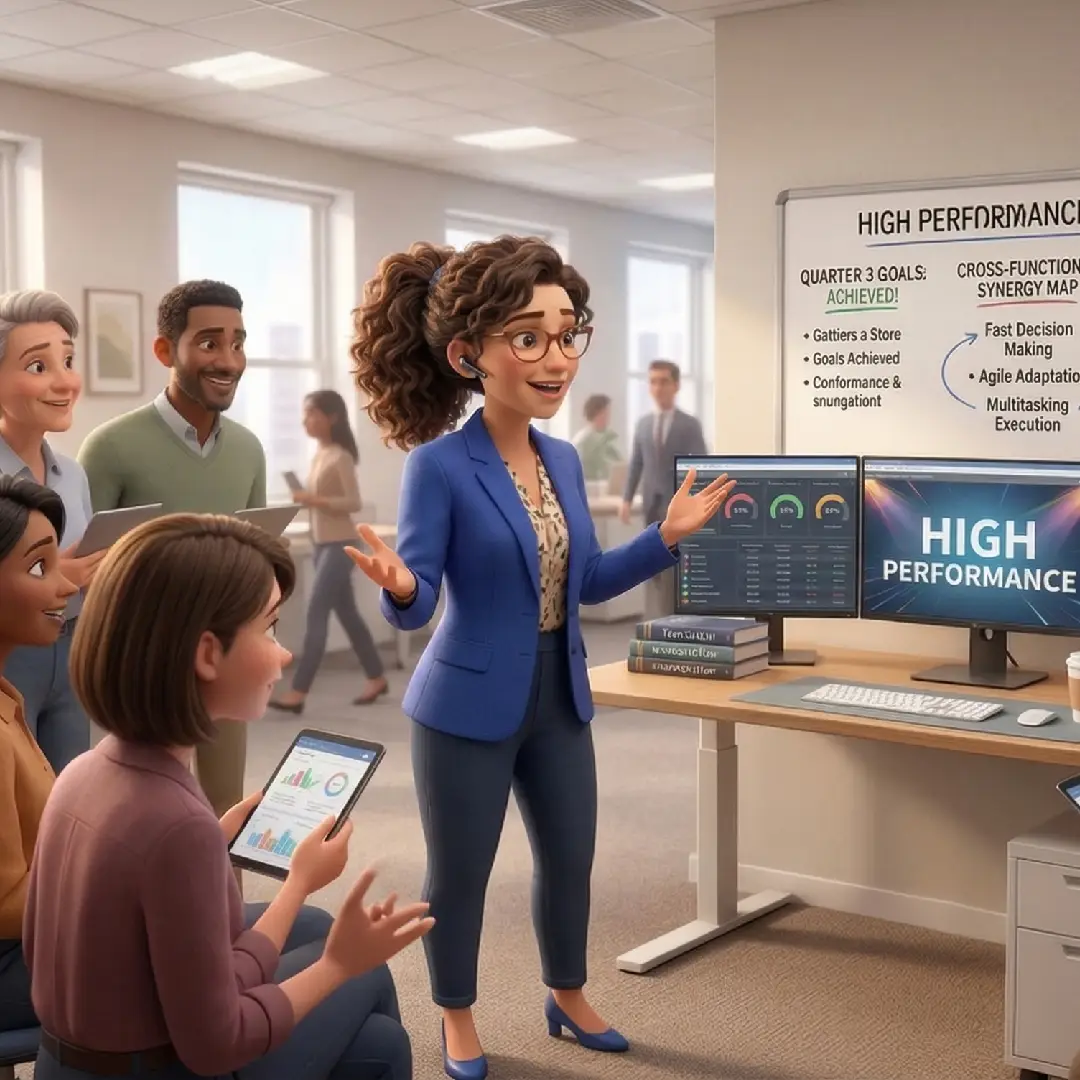
Being neurotypical doesn't mean being "ordinary" — it means having a brain evolutionarily designed for energy efficiency and social cohesion. You are the orchestra conductor of humanity: a harmonious, rhythmic mental architecture capable of integrating multiple instruments without losing the beat.

neuro

🌱 In Everyday Life

🛡️

Robust Latent Inhibition

Your brain has a biological firewall that filters out irrelevant stimuli. You can work in an open office without ambient noise draining you mentally.

🧩

Central Coherence

You have a natural ability to see the big picture before the individual pieces. You grasp intentions and unwritten social rules without needing an instruction manual.

💼 At Work

⚙️

Executive Consistency

You maintain stable, predictable performance. You are the technical and emotional anchor that allows projects to reach the finish line.

🤝

Intuitive Diplomacy

In a negotiation, you instinctively know when to push and when to yield. This social fluency makes you a leader capable of managing diverse teams.

📚 As a Student

🔍

Contextual Learning

You have the ability to "fill in the gaps." If a piece of information is missing, your brain uses contextual logic to deduce it.

🎯

Executive Prioritization

Your frontal lobe is a natural project manager. You know which task is the priority without falling into analysis paralysis.

👥 In Family & Social Life

🌐

360° Emotional Reading

You process body language, tone of voice, and social context simultaneously. You often offer emotional support before the other person even asks for it.

🌊

Transition Flexibility

If the plan changes at the last minute, your nervous system adapts with minimal friction. You are the safe harbor for your family in moments of uncertainty.


1

The "Intentions Radar"

The situation

You walk into a meeting and, even though everyone is smiling, you sense there's hidden tension. Nobody told you — you felt it.

The science

Your brain has a highly optimized "mentalization" network. You are constantly simulating others' mental states in the background. It's not magic intuition — it's high-speed predictive social processing.

2

The "Selective Blindness"

The situation

You can overlook a small typo because your mind focused on the main message.

The science

Your brain prioritizes meaning over form. To save glucose, your mind "autocompletes" reality. This makes you incredibly fast at making decisions.

3

Task Automation

The situation

You can hold a complex conversation while performing a manual task without making errors in either.

The science

You have a great capacity for delegating repetitive tasks to the basal ganglia (your autopilot), leaving your prefrontal cortex free for creative or social thinking.

Woody

Toy Story The Cohesion Manager
Woody - Toy Story

He doesn't fly or have lasers, but he's the Leader. He understands Rex's insecurities, Ham's sarcasm, and Buzz's impulsiveness. You are the social glue: your ability to see the value of each neurotype and coordinate them is what makes the team work.

Joy

Inside Out The Stable Console
Joy - Inside Out

In your brain there is a clear command center. You can feel all emotions, but your "console" has filters that prevent a single feeling from impulsively taking full control.

  • The Social Brain HypothesisThe neurotypical brain is optimized for cooperation in large groups and reading subtle social cues. Dunbar, R.I.M. — Oxford Research Encyclopedia
  • Latent Inhibition and its Role in Functional FocusHigh latent inhibition is one of the greatest cognitive advantages for performance in highly stimulating environments. Psychological Bulletin
  • Global Processing Bias in Neurotypical IndividualsThe neurotypical brain is wired to prioritize central coherence, integrating diverse information into a logical whole almost instantaneously. Journal of Cognitive Neuroscience
ADHD

The Explorer

The Elite Hunter's Operating System

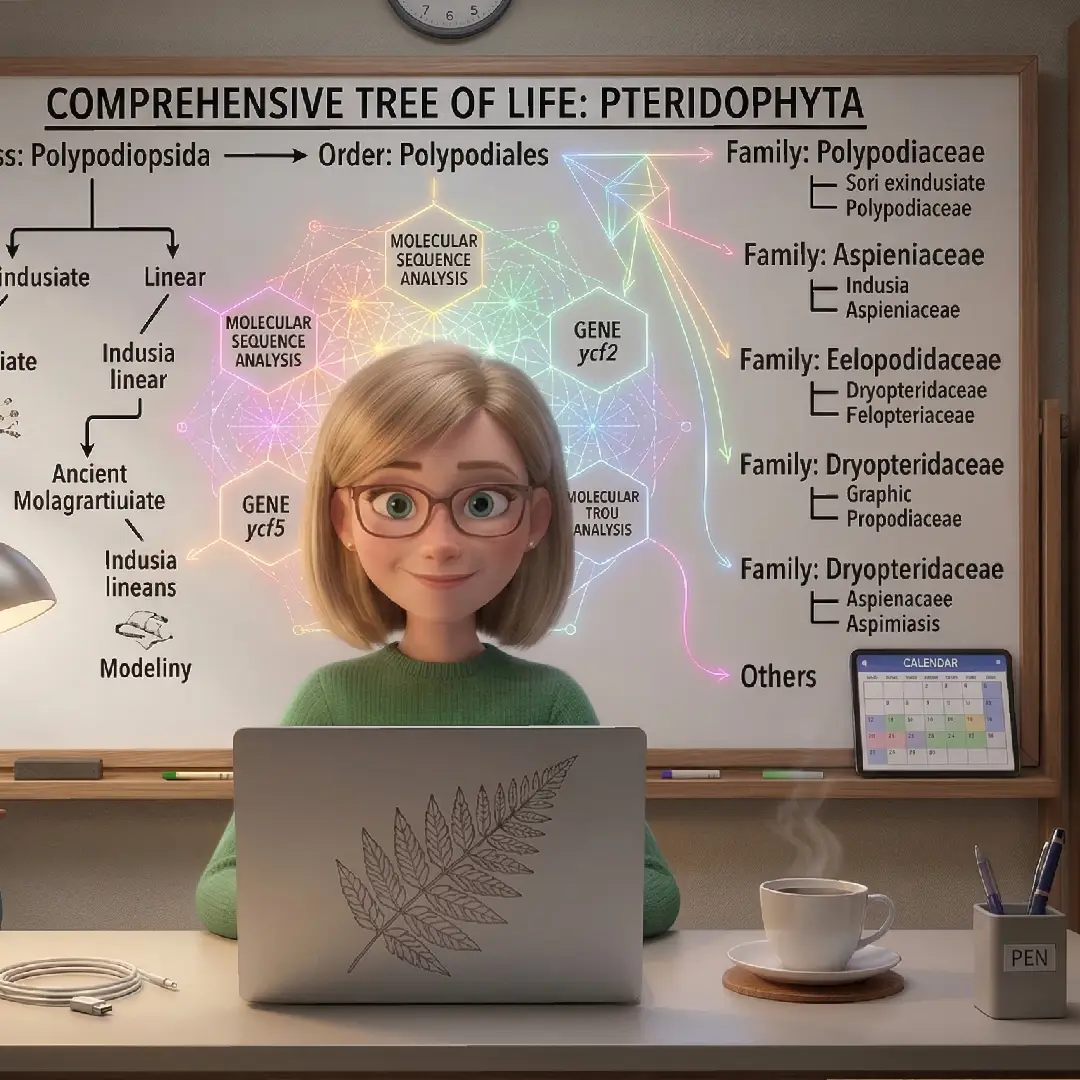
You are not a defective factory worker; you are an elite hunter in a world of farmers. Your brain doesn't seek routine — it seeks dopamine, novelty, and challenge. And that, well managed, is your greatest competitive advantage.

adhd

🌱 In Everyday Life

📡

Novelty Radar

While others see a tree, you see the ecosystem, the weather, and how that affects the local economy. Your brain is wired to absorb information from multiple sources at once.

Emotional Resilience

You have an enviable capacity for the "reset." Your brain tends to forgive and forget faster. You prefer to laugh again rather than sustain a boring grudge.

💼 At Work

🔥

The Office Firefighter

When everyone else panics, you light up. Your brain gets the perfect dose of adrenaline and dopamine in a crisis. You become laser-focused, decisive, and extremely effective.

💡

Divergent Thinking

In a brainstorm, you don't give 3 options — you give 20. And you connect dots nobody else saw. Those "crazy" connections are the foundation of disruptive innovation.

🚀

Productive Hyperfocus

When a project truly excites you, time disappears. You can work 12 hours straight with an obsessive quality and detail that would take others a full week.

👥 In Family & Social Life

🦁

Defender of the Different

Because you know what it feels like to be "different," you tend to be the first to include the new person or stand up for someone being judged.

🎉

Family Dopamine Generator

With you, a Saturday cleaning session turns into a musical or a competition. You have the energy to transform the mundane into an adventure.

1

The "Waiting Mode"

The situation

You have an appointment at 4:00 PM. It's 10:00 AM and you feel like you can't do anything until that time arrives.

The science

Your brain doesn't "feel" the passage of time continuously — it experiences it in blocks of "NOW" and "NOT NOW." Waiting Mode is a defensive strategy your brain uses to avoid failing.

2

The "Doom Piles"

The situation

There's a pile of clothes on the chair. You know it's there, but it has become invisible. If you put something in a drawer, it ceases to exist for you.

The science

This is called Object Permanence deficit. For the ADHD brain, "out of sight, out of mind" is literal. You need to see your things to remember they exist.

3

The Physical Pain of Rejection (RSD)

The situation

Your boss says "we need to fix this paragraph" and you feel a punch in the chest, the urge to cry, or an overwhelming sense of shame.

The science

Rejection Sensitive Dysphoria (RSD) is real. People with ADHD have a different connection between the prefrontal cortex and the limbic system. It's not drama — it's neurology.

Gender Note

Men: Tend to "externalize." When overwhelmed, they may become impulsive or restless. Diagnosis typically comes earlier.

Women: Tend to "internalize." The chaos is not on the desk — it's in the mind. It manifests as anxiety, extreme perfectionism, and exhaustion. Drops in estrogen can trigger symptoms.

Remy

Ratatouille Your Work Style
Remy - Ratatouille

Remy doesn't follow recipes: he smells, tastes, mixes, and creates something brilliant in the middle of chaos. If you're forced to follow a manual step by step, you get bored and fail. But if you're given the goal and allowed to use your intuition, you outperform everyone.

Dory

Finding Nemo / Finding Dory Your Working Memory
Dory - Finding Nemo

Smart, brave, and loyal — but her short-term memory is limited. Your long-term memory is excellent, but your working memory falters. Dory's strategy: externalize your memory. Use alarms, whiteboards, and sticky notes.

  • Time Perception is a Focal Symptom of ADHD in Adults"Time blindness" is a core neurological symptom, not a behavioral choice. Journal of Attention Disorders / NCBI (2021)
  • The Science Behind RSD in ADHDRejection Sensitive Dysphoria is linked to the intrinsic emotional dysregulation of ADHD. W. Roberts, Focused Mind ADHD Counseling
  • ADHD Strengths Tied to Better WellbeingWhen adults with ADHD identify and use their strengths, their quality of life improves dramatically. Psychological Medicine (2025)
  • ADHD Leadership StrengthsADHD brains show 30–40% greater cognitive flexibility in unstable environments. UCL and Harvard Medical School (2025)
  • Bias by Gender in ADHDWomen are diagnosed 5 years later than men despite having equally severe symptoms. Frontiers in Global Women's Health (2025)
Autism

The Logic Architect

The Inconsistency Detector's Operating System

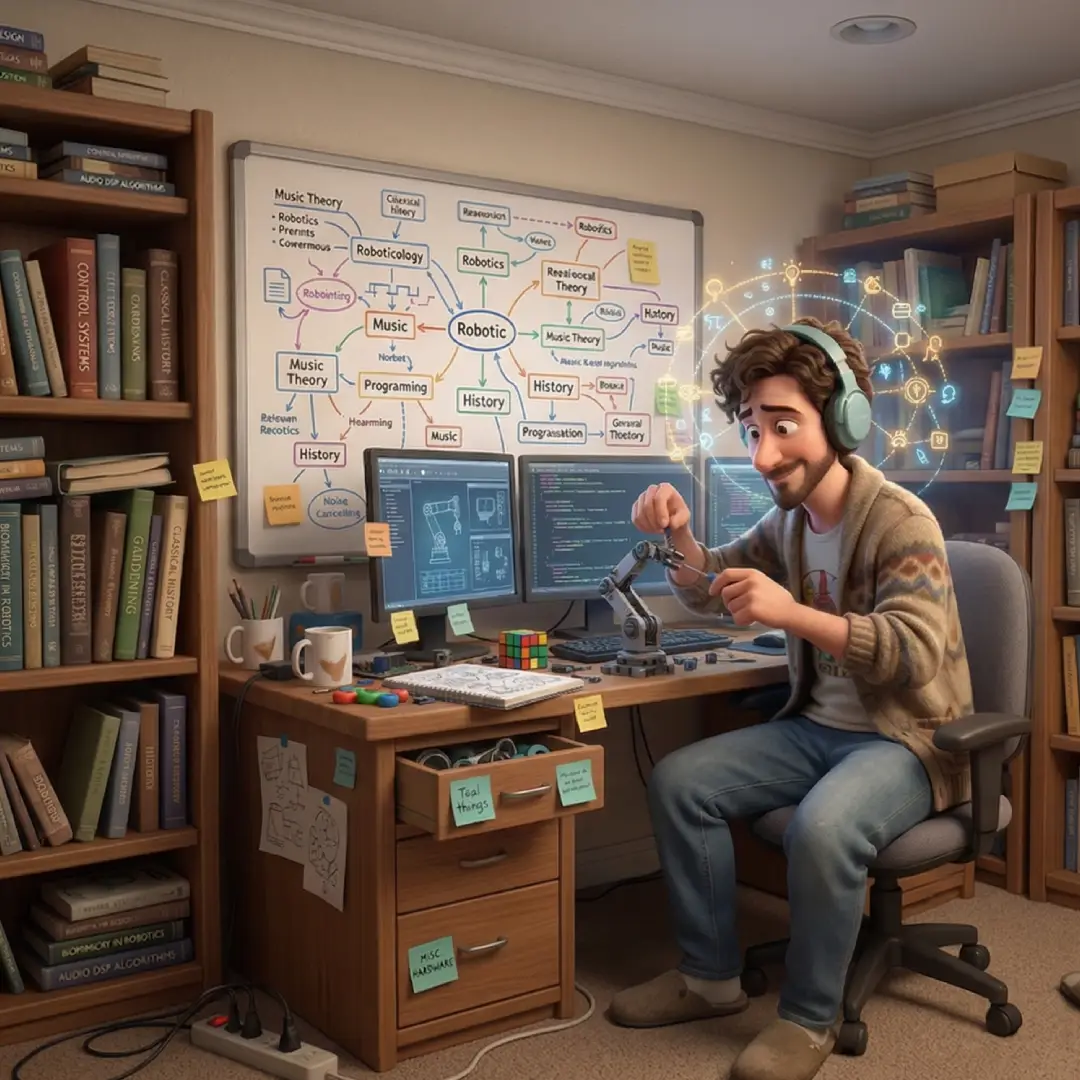
You are not a human calculator or a walking encyclopedia. You are an Inconsistency Detector in a world full of errors. Your brain operates under a principle of Absolute Coherence: you navigate facts, data, and details that others don't even know exist.

autismo

🌱 In Everyday Life

🔬

High-Resolution Vision

Where others see a forest, you see the bark texture on the third tree to the left. You notice the typo on the menu, the dead pixel on the screen. The world is in the details.

🧭

The Truth Radar

You are immune to groupthink. If everyone says something is a good idea but logic tells you otherwise, you hold your ground. You have an internal compass calibrated by reason.

💼 At Work

🛠️

The Error Detector

In programming, accounting, law, or medicine, you are invaluable. You find the mistake that would collapse the system months before it happens.

Brutal Efficiency

You have no interest in meetings that could have been an email. Your approach is: Problem → Logical Analysis → Efficient Solution. For you, inefficiency is almost painful.

👥 In Family & Social Life

🔧

Practical Love

If someone comes to you with a problem, your instinct isn't to say "poor thing" — it's to say "okay, let's analyze the variables and find a solution." You give people real tools.

💎

Transparent Loyalty

With you, "what you see is what you get." No hidden agendas, no passive-aggressive manipulation. You are the safe haven for people tired of mind games.

1

The "Eagle Eyes" Effect

The situation

You walk into a freshly renovated room and the first thing you say is "They forgot to paint that baseboard edge." People think you're being critical.

The science

This is called Local Processing Bias. Your brain processes individual details first and then builds the full picture. You're not negative — you're precise.

2

Vulcan Logic vs. The Drama

The situation

In a heated argument, you remain calm and logical. You get accused of "having no feelings."

The science

You have deep feelings, but your rational decision-making is dominant. Autistic people are less prone to emotional cognitive biases. You are able to make the right decision even when it's painful.

3

The Memory Paradox

The situation

You brilliantly analyze complex systems, yet you forget where you left your keys or what you ate yesterday.

The science

Your brain prioritizes semantic information over episodic memory. Your hard drive isn't full — it's optimized for relevant data.

Gender Note

Men: Autism in men tends to present with very specific interests and more visible social difficulties.

Women: Autistic women develop more sophisticated masking strategies, which delays diagnosis — sometimes until adulthood — and accumulates deep exhaustion.

Spock

Star Trek Pure Logic
Spock - Star Trek

While the Captain shouts and panics, you raise an eyebrow and say: "Survival probability increases by 40% if we turn left." Your calm logic is the team's anchor.

Flik

A Bug's Life The Logical Innovator
Flik - A Bug's Life

Flik sees that the food collection system is inefficient. Everyone does it "because that's how it's always been done." Flik invents a machine to do it better. Your ability to question the status quo drives progress.

Edna Mode

The Incredibles Pure Pragmatism
Edna Mode - The Incredibles

Edna doesn't add a cape just because it looks good. She analyzes aerodynamics, safety, and functionality. "No capes!" is a data-driven decision. You are the guardian of quality.

  • Enhanced Perceptual Functioning in AutismAttention to detail is a superior perceptual function. The autistic brain activates more posterior visual regions. Mottron, L., et al. — Journal of Autism and Developmental Disorders
  • Reduced Cognitive Biases in AutismAutistic people make more rational decisions because they are less influenced by emotional context or social pressure. Trends in Cognitive Sciences
  • Systemizing Mechanism in AutismThe autistic brain has a strong biological drive to analyze systems and discover the rules that govern them — the foundation of engineering and science. Baron-Cohen, S.
AuDHD

The Visionary Architect

The Synergy of the Living Paradox

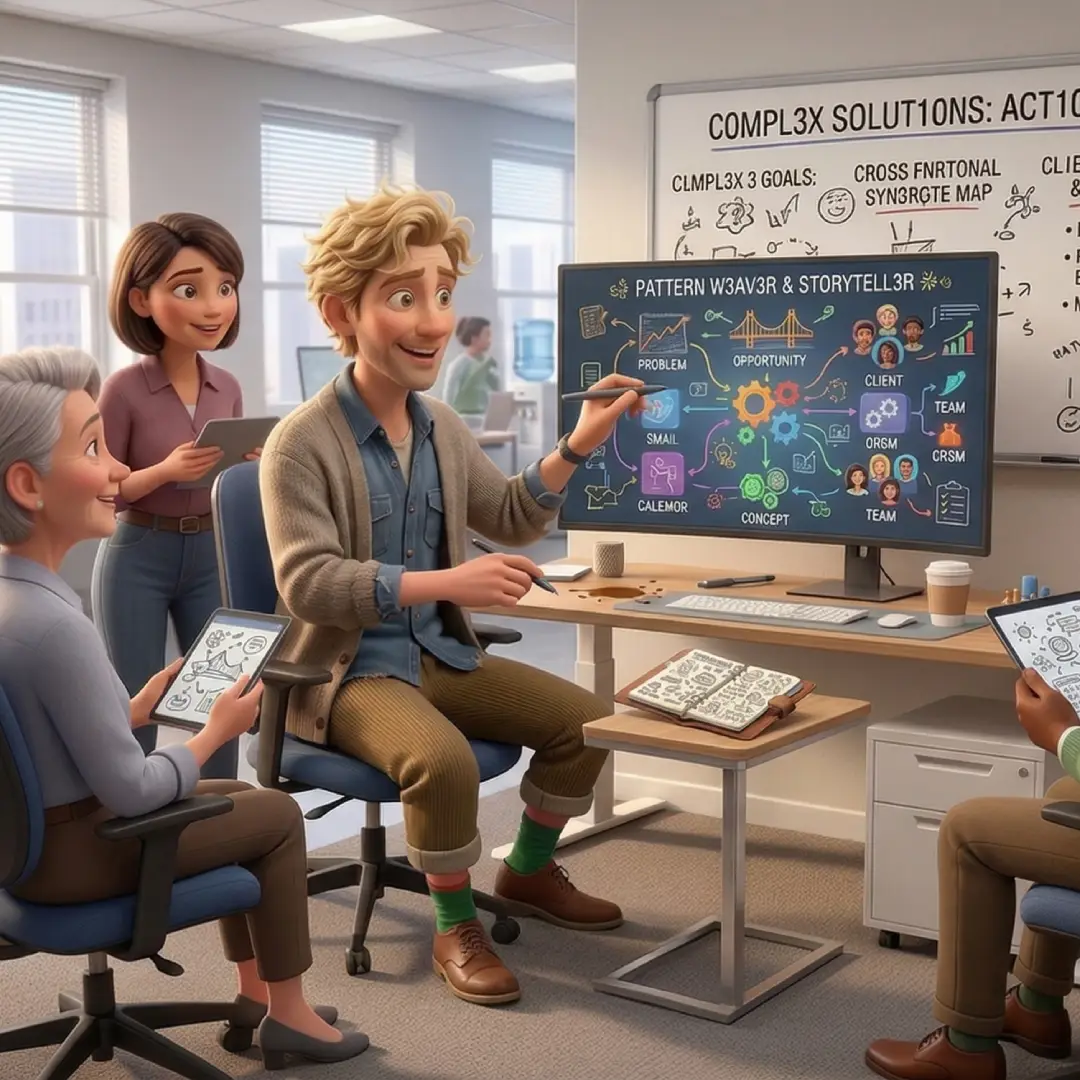
You have the explosive innovation capacity of ADHD and the deep systemizing capacity of Autism. When these two forces collaborate, you are unstoppable. You are the one who dreams up the skyscraper and also draws the blueprints.

audhd

🌱 In Everyday Life

🏗️

Structured Creativity

You have the wild ideas of ADHD, but unlike pure ADHD, you also have the autistic drive to create the plan, the structure, and the system to make them real.

🌌

Breadth and Depth

Your ADHD side makes you know "a little about everything," and your autistic side makes you know "everything about something." You are a versatile encyclopedia with a breadth few can match.

💼 At Work

💥

Disruptive but Logical Innovation

You don't just think outside the box (ADHD) — you question why the box exists and design a better one (Autism). Your solutions are original but technically sound.

Sprint Productivity

ADHD urgency gives you speed, and autistic perfectionism ensures no errors. You deliver in two days what a team takes two weeks to complete.

🔎

Inefficiency Detector

Your mental speed (ADHD) gets frustrated by slowness, and your logic (Autism) spots the flaw in the process. You see bottlenecks instantly.

👥 In Family & Social Life

⚖️

Active Social Justice

The energetic passion of ADHD combined with the rigid ethics of Autism makes you a tireless advocate. You cannot stand injustice.

Radical Authenticity

ADHD impulsiveness makes you say what you think, and autistic honesty ensures it's true. You are the most genuine person your friends know.

1

The "Routine vs. Novelty" Cycle

The situation

Your autistic side screams: "We need a strict routine!" You design the perfect schedule. Three days later, your ADHD side screams: "This is a prison!" and sabotages the very routine you created.

The solution

You need Flexible Routines. Structure the time "blocks" (Autism), but vary what you do within them (ADHD).

2

The Unpredictable Social Battery

The situation

Your ADHD says: "Let's go to the party!" You arrive, you're the life of the place. Suddenly, your autistic side says: "Battery empty. I want to leave NOW." You go from 100 to 0 in seconds.

The science

ADHD seeks social dopamine, but Autism reaches sensory saturation. You need to plan discreet exits or recharge breaks during social events.

3

Order in the Chaos

The situation

You need your books organized by color (Autism), but your desk is covered in cups and papers (ADHD).

The paradox

You are a perfectionist who lives in chaos. Visual disorder bothers you, but executive function makes it hard to maintain order. Understanding this eliminates unnecessary self-criticism.

Tony Stark

Marvel / Iron Man The AuDHD Archetype
Tony Stark - Iron Man

His autistic side: he locks himself in his workshop for days (hyperfocus), obsessed with perfecting his suits. His ADHD side: he's impulsive, seeks adrenaline, gets bored in meetings. The result: a visionary genius who saves the world with his hybrid brilliance.

Robin Buckley

Stranger Things The Rapid Pattern Analyst
Robin - Stranger Things

Her autistic side obsesses over patterns and logic, she cracks the Soviet code by hyperfocusing for hours. Her ADHD side is impulsive, chaotic, and deeply funny. Together: an unstoppable mind that solves what nobody else can.

  • The Co-Occurrence of Autism and ADHDUp to 50–70% of autistic individuals also have ADHD. Their traits overlap and sometimes compensate each other. Journal of Psychiatry and Neuroscience
  • Cognitive Profiles in AuDHD: Synergy and ConflictThe AuDHD brain creates a neural network capable of simultaneous lateral and vertical thinking. Nature Reviews Neuroscience
  • Autistic Burnout vs. ADHD BurnoutAuDHD individuals face a higher risk of burnout: when ADHD rests, Autism ruminates. The key is active sensory rest. Specialized neurodiversity research
HSP

The Emotional Sanctuary

The High-Definition Antenna's Operating System

You don't have a calibration defect. You have a high-definition nervous system. The Highly Sensitive Person (HSP) is not an emotional weakness — it is a neurobiological trait present in 20% of the population, and in more than 100 animal species.

pas

🌱 In Everyday Life

🌊

Deep Processing

You don't process the surface — you process the layers. Before making a decision, your brain has already analyzed 15 variables that others never even noticed. That's not indecision, it's depth.

🎵

Sensory Antenna

You're the first to notice the shift in a room's energy, the unexpressed discomfort of someone nearby, the beauty everyone else walks past. Your perception is an aesthetic and social superpower.

💼 At Work

🔮

Strategic Intuition

Your deep processing means you see consequences others don't anticipate. In strategy meetings, your "gut feeling" is actually an ultra-fast neurological analysis.

💜

Cognitive Empathy

You don't just feel what others feel — you understand it structurally. That makes you the best person to manage relationships, communication, and organizational culture.

👥 In Family & Social Life

🏡

Creating Safe Spaces

The people around you know, without you saying a word, that they can be vulnerable with you. That is an extraordinarily rare and valuable gift.

🌸

Natural Diplomacy

You detect conflict before it explodes and know exactly what to say to defuse it. You don't avoid conflict — you manage it before it becomes a problem.

💞

Deep Empathic Connection

Your relationships are not superficial. When you care about someone, you know them at a level very few people can reach. You are the kind of friend or partner who changes lives.

1

The Supermarket Overload

The situation

You walk into a busy supermarket with music, fluorescent lights, and crowds. Within 20 minutes, you are as exhausted as if you had worked 8 hours.

The science

Your nervous system processes all stimuli in depth — it doesn't filter them out. What is "background noise" for others is active information your brain is analyzing. It's not weakness — it's excess capacity.

2

The Weight of Others' Emotions

The situation

A colleague arrives to work in a bad mood. You don't just notice it — you feel it in your own body. You leave the meeting carrying their emotional state.

The science

HSPs have an extremely active mirror neuron system. Your brain literally simulates others' internal states. The key isn't to shut it off — it's learning to distinguish what is yours from what belongs to others.

3

The Perfect Decision Paralysis

The situation

You take longer than others to make "simple" decisions because you see all the possible implications.

The science

Your prefrontal cortex evaluates more variables before acting. What seems like indecision is actually a more thorough analysis. In high-stakes decisions, this is an enormous advantage.

Gender Note

HSP Men: Often mislabeled as "weak" or "too sensitive." Social pressure to suppress this sensitivity creates an enormous burden and often leads to burnout.

HSP Women: Their sensitivity is sometimes confused with anxiety or emotional instability, delaying recognition of the trait as a neurobiological strength.

Elisa (The Shape of Water)

The Shape of Water The Connection Beyond Words
Elisa - The Shape of Water

Elisa feels the world with an intensity others don't understand. Her sensitivity is not her weakness — it's what allows her to see humanity where nobody else looks. Your emotional depth is your rarest superpower.

Troi (Star Trek TNG)

Star Trek: The Next Generation The Empathic Counselor
Troi - Star Trek TNG

Deanna Troi feels others' emotions as real information. It's not a burden — it's intelligence. On the bridge, her perception saves the crew repeatedly. Your sensitivity is strategic data.

Luna Lovegood

Harry Potter A Different Perception
Luna Lovegood - Harry Potter

Luna sees things others ignore. She's considered "strange" for her sensitivity and unique perspective. But when the moment that matters arrives, her ability to see beyond the obvious is exactly what is needed.

  • The Highly Sensitive PersonEstablishes the theoretical framework of Sensory Processing Sensitivity (SPS) as a neurobiological trait present in 20% of the population. Aron, E.N. — Broadway Books (1996)
  • Sensory-Processing Sensitivity and Its Relation to Introversion and EmotionalityConfirms that SPS is a trait distinct from introversion, with its own neurological basis. Aron, E.N. and Aron, A.R. — Journal of Personality and Social Psychology (1997)
  • The Highly Sensitive Brain: An fMRI StudyThe HSP brain shows greater activation in regions associated with awareness, empathy, and sensory integration. Acevedo, B.P. et al. — Brain and Behavior (2014)
  • Is Sensory Processing Sensitivity an Evolutionary Adaptation?SPS is an evolutionary survival strategy present in more than 100 species. Aron, E.N. et al. — Personality and Social Psychology Review (2012)
DDD

The Unconventional Processor

Dyslexia · Dyscalculia · Dyspraxia

You are not a broken brain that can't read, calculate, or coordinate. You are a neurological system that processes the world on a different frequency — and that frequency produces real, documented, and extraordinary advantages.

ddd

🌱 In Everyday Life

🧠

Three-Dimensional Thinking

Your brain processes space, shapes, and systems in a visual and three-dimensional way. Elite architects, engineers, surgeons, and artists share this neurological architecture.

🏋️

Structural Resilience

Navigating a system that wasn't designed for your brain requires an adaptability, creativity, and frustration tolerance that very few people develop. That is forged, not taught.

💼 At Work

💡

Creative Problem Solving

Non-linear thinking is exactly what's needed when conventional methods fail. You don't look for the answer that already exists — you find the one nobody had seen.

🌐

Systems Vision

Where others see parts, you see the whole system. This ability to see patterns and dynamics others take for granted is invaluable in leadership and strategy.

👥 In Family & Social Life

🤲

Empathy Through Experience

Having spent years feeling like you didn't fit in makes you extraordinarily sensitive to those who feel excluded. You're the first to include, to defend, and to create spaces where others feel seen.

Authenticity

Your way of relating tends to be direct, genuine, and free of empty social performance. People know that what you see is what you get.

1

The Red Notebook Trauma

The situation

In third grade, your notebook came back covered in red ink. Not because you didn't try — you tried twice as hard as everyone else. But the message you received was: "you're not enough."

The science

Dyslexia, dyscalculia, and dyspraxia are not problems of intelligence. They are differences in neurological processing pathways. The brain that "fails" the standard test is frequently the same one that thinks in three dimensions.

2

The "Just Try Harder" Trap

The situation

"They just don't apply themselves." "They're careless." "They could if they wanted to." That narrative left a mark that goes far beyond the classroom.

The science

These three profiles have documented neurobiological bases, with significant genetic components. They are not the product of lack of willpower or low intelligence. They are differences in brain architecture.

3

The Body That Won't Cooperate (Dyspraxia)

The situation

While everyone else learned to tie their shoes in a couple of tries, for you it was a weeks-long odyssey. Physical education was a territory of public humiliation.

The science

Dyspraxia involves differences in motor planning. It's not clumsiness of character. And while that system is overloaded, others — observation, strategy, empathy — develop with compensatory strength.

Gender Note

Men: Tend to receive a diagnosis earlier because difficulties are expressed more externally — disruptive classroom behavior, visible frustration.

Women: Develop more sophisticated masking strategies. They compensate through memorization, perfectionism, and extraordinary effort, which delays diagnosis — sometimes until adulthood.

Percy Jackson

Percy Jackson The Hero Wired for Something Greater
Percy Jackson

Percy is canonically dyslexic — his brain is wired to read Ancient Greek, not English. What the world calls a deficit is evidence that his neurological architecture operates on a different frequency.

Phoebe Buffay

Friends The Logic of the Heart
Phoebe Buffay - Friends

She doesn't process the world with numbers or conventional logic — she processes it with intuition, emotion, and connection. She can't calculate the tip, but she knows exactly how to make someone feel seen.

Neville Longbottom

Harry Potter The Brave One Who Blossomed Slowly
Neville Longbottom - Harry Potter

He spends the early years being the "weak link." But he has an extraordinary botanical memory, and when the moment that matters arrives, it is he who takes the decisive step. The environment that measures coordination sees the difficulty. The one that measures courage sees the hero.

  • The Dyslexic AdvantageThe dyslexic brain shows consistent advantages in narrative reasoning, three-dimensional thinking, and systems vision. It's not compensation — it's architecture. Eide, B. and Eide, F. — Hudson Street Press (2011)
  • Developmental Dyscalculia: A Review of Theory, Cognitive Models and EvidenceConfirms the neurobiological basis of dyscalculia as a difference in numerical processing, distinct from and independent of general intelligence. Rubinsten, O. and Henik, A. — Psychological Bulletin (2009)
  • Developmental Coordination Disorder: Current Status and Future DirectionsDyspraxia does not imply intellectual deficit and documents the frequent pattern of strengths in observation, verbal intelligence, and social skills. Blank, R. et al. — European Journal of Paediatric Neurology (2019)
  • Twice Exceptional: Supporting Bright and Creative Students with Learning DifficultiesDocuments the "twice exceptional" profile — with specific difficulties and superior abilities in creative or reasoning areas. Orenstein, M. — Oxford University Press (2021)

↑ Select a profile to explore · All profiles include superpowers, science, and references